
Why figures are confirmed per installation
Site requirements are the part of a purchase most often left until delivery day, and the part most likely to delay it. An electrician’s visit, a compressor upgrade or a waste contract can each take longer to arrange than the machine takes to arrive.
The figures for supply, protection, air pressure, air consumption and size are not yet confirmed for every METClean model. MET’s documents disagree in places, so those values show as Awaiting approval below rather than a figure that might be wrong. We confirm each requirement for your model and your site when we quote, in writing, so you can brief your electrician and plan the space before ordering.
Space, floor and handling
Allow for the machine itself, its door or lid opening fully, and room to stand at the opening and lift a filter in and out. Most car and van filters can be lifted by hand; heavy-duty filters usually need a lifting aid and a clear approach for it. The machine must stand on level ground, and the floor has to carry it with a full tank of water, which adds considerably to its weight.
Think about the whole route a filter takes: from the ramp or the delivery van, onto a bench for inspection, into the machine and back out to dry or be boxed. Keep a clear path to the point where the tank is emptied and the filters are serviced, because that work needs access to the side or back of the machine, not only the door.
- METClean E size
- Awaiting approval
- METClean E weight with water
- 390 kg
- METClean S size
- Awaiting approval
- METClean S weight with water
- Awaiting approval
- METClean V weight with water
- 350 kg
- METClean XL Multi+ size
- Awaiting approval
Electrical supply
Machines differ in the supply they need and the protective device it must have, and some have more than one installation option. The operating instructions for the cabinet machines, for example, allow the tank’s water heater to be used only on the higher-rated connection, so a wash-only installation and a heated one need different supplies. Decide which you want before the electrician quotes.
A qualified electrician should confirm your supply and make the connection. In a van, the V instructions ask for the supply to the machine to be protected by a twin-pole residual current device. Work inside a machine’s control panel is for a qualified, competent person only: the machine must be isolated, locked off and proved dead first, and its drive can hold a stored charge for a while after the power is removed.
- METClean E supply
- Awaiting approval
- METClean S supply
- Awaiting approval
- METClean S protective device
- Awaiting approval
- METClean V supply
- Awaiting approval
- METClean XL Multi+ supply
- Awaiting approval
Compressed air
Compressed air does more work in a DPF cleaning machine than many buyers expect. It purges water from the filter at the end of the wash and dries it, runs the pressure test on machines that have one, and on some models works the clamp or the door. The E manual is plain about it: drying with compressed air relies on your compressor’s capability and flow.
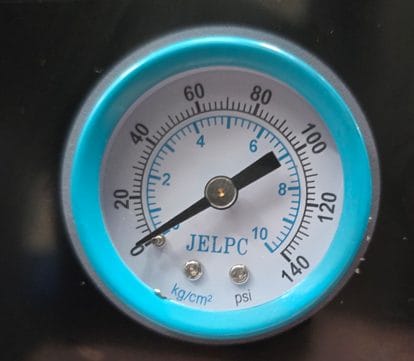
Check that your compressor can deliver the pressure and volume the machine needs while the rest of the workshop is using air too, and that the line to the machine is sized for it. The V has an air gauge on the machine so the operator can check the pressure before each clean. If you’re planning a compressor upgrade anyway, size it with the machine in mind.
- METClean S inlet pressure
- Awaiting approval
- METClean S air consumption
- Awaiting approval
- METClean V inlet pressure
- 5–8 bar
- METClean XL Multi+ air consumption
- Awaiting approval
Water, drainage and waste
The tank is filled from an ordinary water supply. In the closed-loop machines, wash water is pumped through the filter, passes through the machine’s filtration and settlement, and is reused for many cleans rather than run to drain. Because the machine doesn’t discharge water as it runs, what you need is a hose to fill the tank and somewhere practical to empty it.
When the water reaches the end of its useful service it is removed together with the captured sediment, and the tank and reusable filters are cleaned before refilling. Used water, sediment, sludge and spent filter media go through an approved waste-disposal route, never to ground, surface water or an ordinary drain. Arrange that route, usually a licensed waste contractor, before the machine arrives.
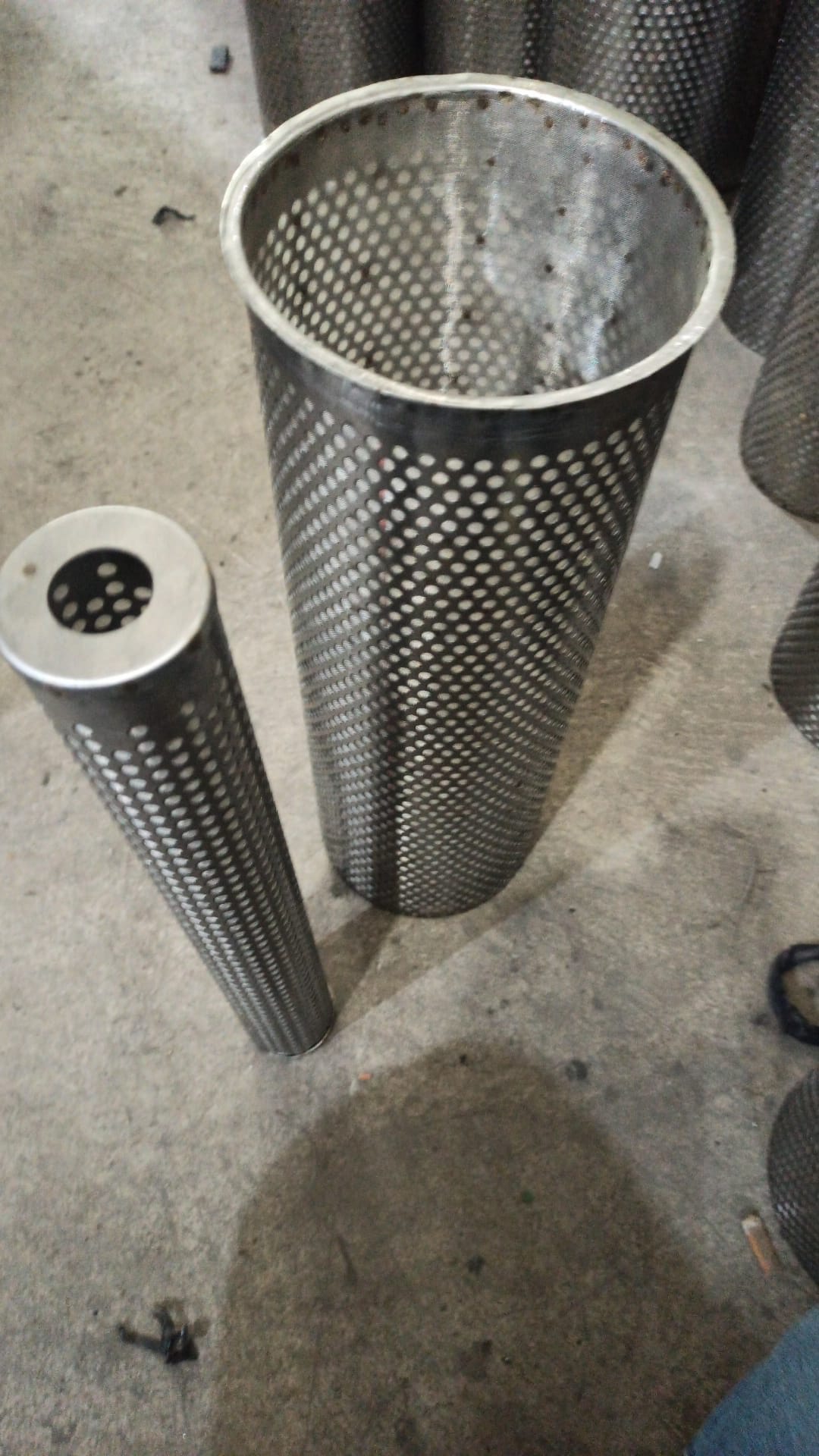
Servicing the filters is part of owning the machine. The machine is disconnected from the mains first, then the bag or sock filter is removed, cleaned or replaced as the maintenance instructions describe. Heavily contaminated filters load the water and filters faster, so a workshop cleaning dirtier work will service them more often.
- METClean E cycles per tank fill
- 20–30 expected
- METClean S cycles per tank fill
- 30–40 expected
- METClean V cycles per tank fill
- 20–30 expected
- METClean XL Multi+ cycles per tank fill
- 30–40 expected
- METClean DPF Lite tank
- 30 litres
For a van installation
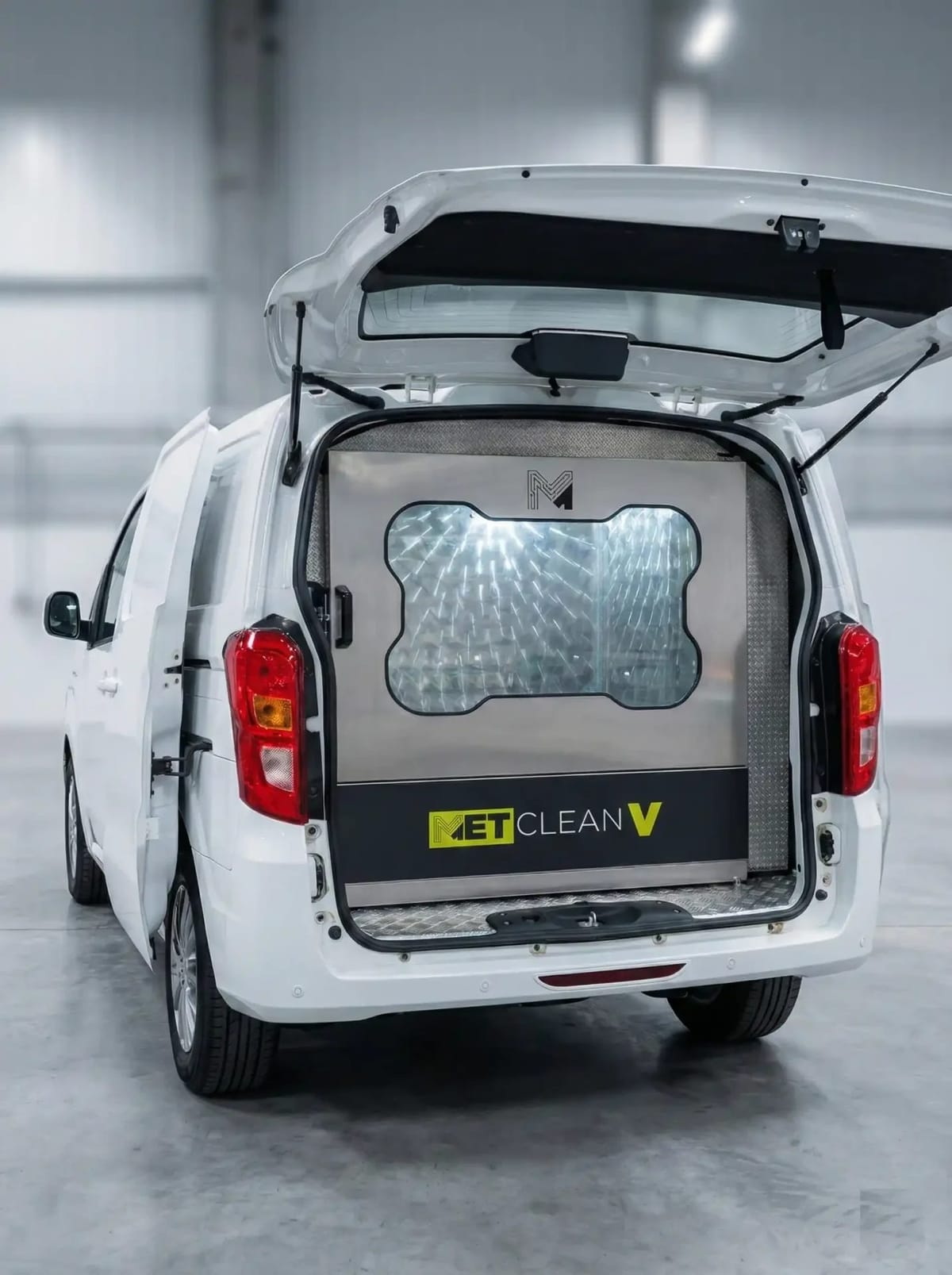
A van adds checks a workshop floor doesn’t need. The vehicle must carry the machine with a full tank inside its payload, alongside everything else the business carries. The machine has to be mounted securely enough to stay put under braking, and the power source, whether a generator or an inverter system, must supply it safely with the right protection.
Water needs more thought on the road. Fresh water has to be carried or found at each job, and used water held securely until it can go to the approved waste route. These details depend on the van as much as the machine, so they are confirmed for each vehicle before we quote, and we don’t say any particular van is suitable until that check is done.
People, training and the installation day
Decide who will run the machine and make sure they are there for the installation. The operating instructions expect every operator to be trained before using the machine, to wear gloves, eye protection and safety footwear, and to keep clear of doors and clamps that can trap fingers. Filters carry soot and ash, so handling them is part of the training too.
Training should cover loading and securing filters, choosing adaptors, running and adjusting programmes, drying, testing where the machine supports it, and daily maintenance. MET fits the S and the XL Multi+ and trains on site; the E, the DPF Lite and the WashPRO are set up by the buyer with remote onboarding, so the operators should be there for those sessions instead.
- METClean S installation
- We deliver the S and set it up in your workshop.
- METClean S training
- Loading, programmes, drying, testing and daily maintenance, on site with your team.
- METClean E installation
- Installed by the buyer, with remote onboarding from MET; fitting by MET is available at extra cost.
- METClean V installation
- Fitted in your van by MET at extra cost, or by your own installer.
- METClean XL Multi+ installation
- We deliver the XL Multi+ and install it at your site.
Confirm the model and location
Agree where the machine goes and how filters will reach it.
Book the electrician
Brief them with the supply and protection confirmed in your quote.
Check the air
Confirm pressure and volume at the machine with other tools running.
Arrange the waste route
Put a disposal arrangement in place for used water, sediment and spent filters.
Plan delivery and training
Clear access for delivery, and make sure the operators are free for training, on site or remote.
Check your site with us
Tell us where the machine would go and we’ll confirm what your site needs with your quote.