
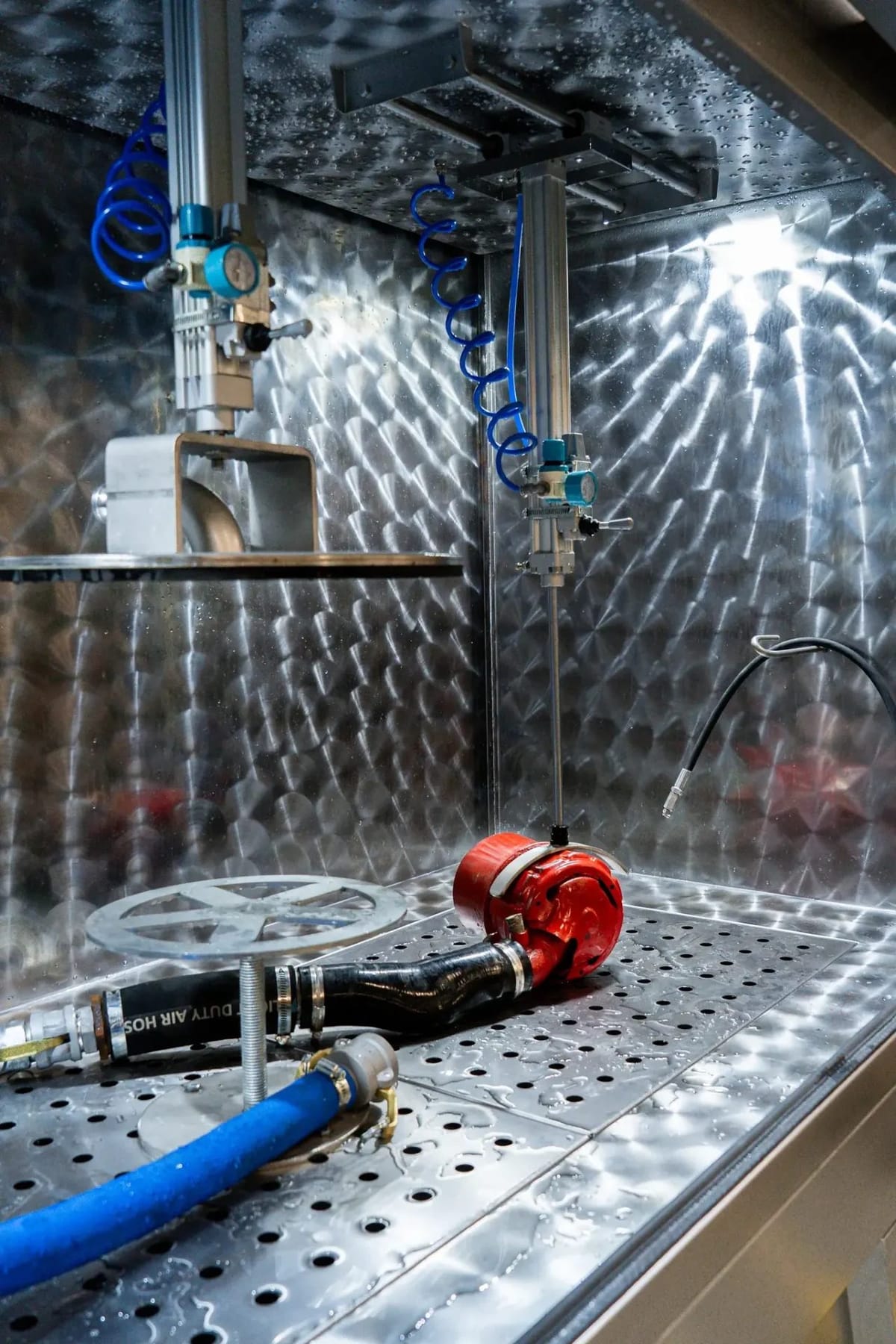
How the closed loop works
The machine’s tank is filled with the required volume of water and, where that machine and process specify it, the approved cleaning product. During a clean the pump drives the working water through the component in the reverse direction to the exhaust flow.
Water leaving the component returns to the machine rather than running to a drain. It passes through the machine’s filtration and settlement system, which captures soot, ash and other contamination, and the filtered water stays in the loop for the next clean. Heavier material settles as sludge; finer particles are caught by the filter elements in their housings.
The benefit is practical: one tank fill serves several cleans before the water is replaced, instead of a continuous discharge. It doesn’t make the process waste-free. Everything the filters and tank collect still has to be removed and disposed of properly.
- Closed loop
- Wash water that is filtered and recirculated within the machine rather than discharged after each use.
- Settlement
- Heavier particles sinking out of the water as sludge in the tank or housings.
- Filter housing
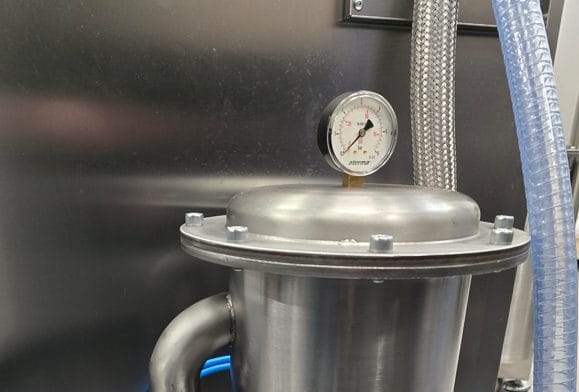
- The stainless canister that holds a filter element. It has a drain tap at the bottom and a bolted lid.
- Bag, micro or sock filter
- A fabric filter element that catches fine sediment. MET’s documents use all three names for this kind of element.
- Stainless micron filters
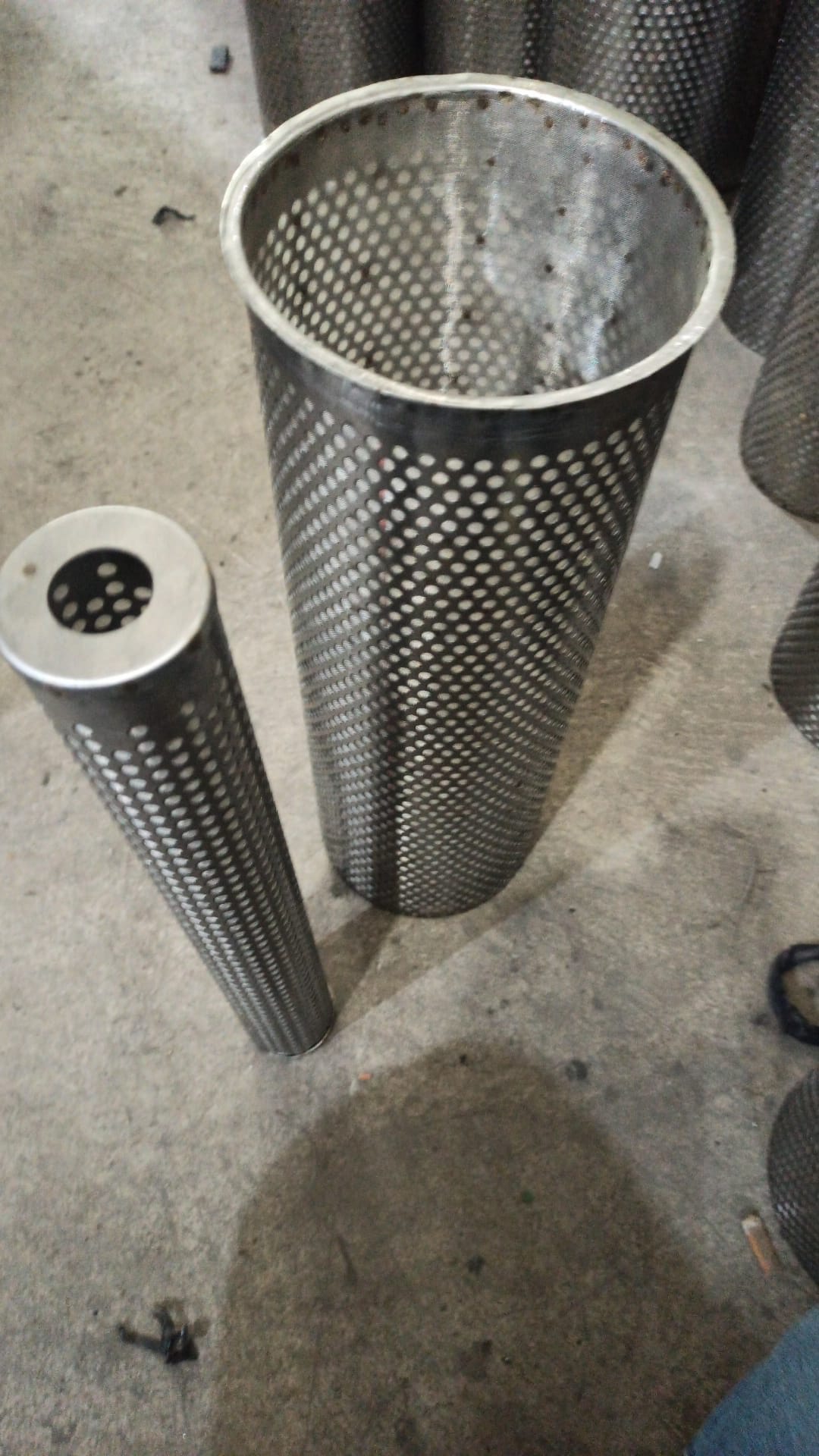
- Reusable stainless mesh elements that are washed out and refitted rather than replaced.
Cleans per tank fill
Each model has an expected range of cleaning cycles per tank fill. It is a normal operating range, not a promise for every fill, because contamination varies so much from one component to the next.
A heavily loaded or oil-contaminated filter puts more into the water and the machine’s filters, so the fill is used up sooner. Filter size and type, the programme run and how well the machine’s own filters are kept clean all make a difference too. No figure is given for the DPF Lite until its operating record defines whether its fill serves one clean or several.
- METClean E
- 20–30 expected
- METClean S
- 30–40 expected
- METClean V
- 20–30 expected
- METClean XL Multi+
- 30–40 expected
- METClean WashPRO
- 30–40 expected
These are expected ranges, not a guarantee of a number of cycles in every case.
The filter arrangement by model
MET’s filter instruction describes stainless filter housings, each with a drain tap and a bolted lid, holding a micro filter that catches fine sediment. Some machines have twin housings. The S and XL also carry stainless steel micron filters, which are washed out and reused rather than thrown away.
The V uses a replaceable sock filter. Its manual describes changing it by emptying the machine’s water, removing the ring of hex caps and lifting the filter out. The exact filter line-up for the E, S and XL Multi+ is still being confirmed, so the list below shows it as Awaiting approval where MET’s documents disagree or are silent.
The WashPRO parts washer works on the same principle. Its water passes through multi-stage filtration, including an external replaceable filter, and is reused until it reaches the end of its useful service.
- METClean E
- Awaiting approval
- METClean S
- Awaiting approval
- METClean V
- Awaiting approval
- METClean XL Multi+
- Awaiting approval
Cleaning the filters
This is an outline of what MET’s filter instruction involves, so you know what ownership entails. Follow the full instruction for your machine, with its safety section, and only after training.
Isolate and unload
Disconnect the machine from the mains and remove any filter still attached to it. Wear gloves and eye protection; the water and deposits contain soot and ash.
Drain the housings
Put a suitable container under the filter housings and open the stop tap for a steady flow. When it stops, close the taps and empty the container into your waste store. On a twin setup, do both housings.
Open the housing
Remove the ring of bolts around the lid, working diagonally, then lift the lid and remove the thumb screw holding the filter.
Wash the micro filter
Lift the filter out slowly and hold it over a container. Turn it inside out, remove the carbon deposits and wash it through from the inside with clean water, keeping the washings for disposal.
Refit
Turn the filter the right way out, put it back in the housing and reverse the removal steps to refit the lid. Repeat for the second housing if there is one.
Wash the stainless filters
On the S and XL, remove the stainless micron filters the same way, wash them out with high or low pressure water and refit them, taking care not to damage the lid seal.
Changing the water and refilling
When the water reaches the end of its useful service, the machine is isolated and the whole tank is drained through the water outlet on the filter side of the machine into containers. The tank, the filter housings and the reusable filters are cleaned before the machine is refilled, so the new water doesn’t start out carrying the last fill’s sludge.
To refill, close both valves at the bottom of the filter housings, add water and run the pump manually until the correct level is reached, then stop the pump and check the level again. Add the approved cleaning product only where your machine’s instructions specify it.
Used water and waste
Used water, sediment, sludge, washings and spent filters are retained and disposed of through the operator’s approved waste route. They must not go to ground, surface water or an ordinary drain. MET’s filter instruction asks for them to be treated with the same care as used coolant and engine oil.
In practice that means sealed, labelled containers kept until collection, and an arrangement with a waste contractor who can take this kind of waste. Your contractor and local regulator can confirm how it should be described and documented; MET hasn’t yet published an approved waste classification for it.
Responsibilities and open questions
The owner is responsible for keeping the machine’s filters clean, changing the water before it is overloaded, storing waste safely and using an approved disposal route. Filters left to load up shorten each fill and let dirtier water circulate through the component being cleaned.
Some points are still being confirmed with MET: the filter arrangement on the E, S and XL Multi+, the tank capacity of several models, how often filters and water should be changed under typical workloads, and the waste classification. MET’s filter instruction doesn’t set a filter life or service interval, so we don’t give one.