
What does DPF cleaning mean?
A diesel particulate filter, or DPF, traps particles from the exhaust. Over time, soot and ash collect inside it. DPF cleaning is the process of removing those deposits so a serviceable filter can continue doing its job.
The term is used for several different procedures. A regeneration, an on-vehicle treatment and an off-vehicle machine clean are not interchangeable. Understanding the difference helps you choose the right next step.
Soot and ash need different treatment
Soot is carbon-rich material produced during combustion. Regeneration burns it away when the required conditions are met.
Ash is the non-combustible residue associated with engine oil additives and other sources. It remains after regeneration and gradually occupies space inside the filter. Another regeneration does not remove that ash.
Compare the cleaning methods
| Method | What it does | Key limitation |
|---|---|---|
| Regeneration | Burns accumulated soot under the required operating conditions | Does not remove ash |
| On-vehicle cleaning | Uses a suitable treatment and the specified procedure without removing the filter | Does not provide the same ash-removal process as an off-vehicle clean |
| Off-vehicle cleaning | Removes the filter for assessment and cleaning, allowing deposits to be carried out | Cannot repair physical damage or correct the underlying engine fault |
How METClean cleans a removed filter
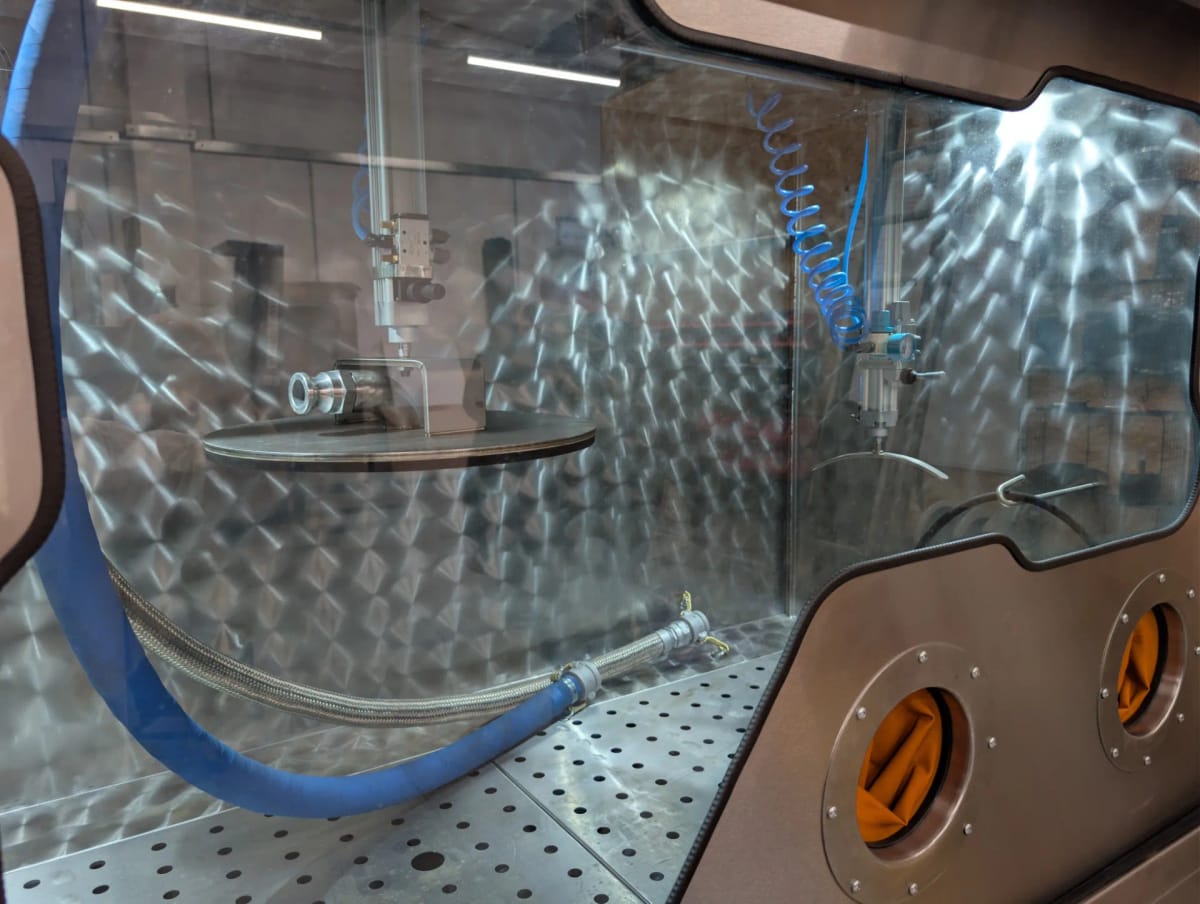
A technician first assesses the filter and its condition. In METClean’s water-and-air process, controlled flow carries released deposits out of the filter, while timed air bursts provide agitation. The filter then follows the drying and handling procedure for the machine being used.
Controls, drying and testing capabilities vary by model. Follow the operating instructions and training for the specific machine.
Technical note
Cleaning without chemicals: the METClean process
METClean’s technical explanation of how heated water, controlled flow and timed air bursts remove soot and ash, with guidance on contaminated filters and when cleaning fluid is used.
Download the METClean cleaning technical note (PDF)PDF, 70 KB, 4 pages
Does DPF cleaning always need chemicals?
No. Cleaning fluid is not required for every METClean clean. Filter condition and the equipment being used determine the appropriate procedure.
In normal daily use, METClean DPF One Shot is used for on-vehicle cleaning and with the METClean Lite. Where a filter is contaminated with oil or sludge, METClean may advise using One Shot during the cleaning process with any machine. Contact our technical team for the appropriate amount and procedure for your machine and the filter’s condition.
When cleaning is not the answer
Cracked, melted or otherwise physically damaged filters cannot be restored by cleaning. Oil or other contamination needs assessment, and the cause must be investigated before the filter is returned to service.
A recurring warning light also needs diagnosis. Cleaning the filter without addressing the fault can lead to another blockage.
What should you do next?
For your own vehicle, find a METClean specialist who can assess the problem and advise on the appropriate next step.
For a workshop bringing DPF cleaning in-house, explore the METClean machine range or arrange a demonstration.
Choose your next step
Motorists can find a METClean specialist near them. Workshops can explore the machines and arrange a demonstration.